Modern Apartment Painting & Finishing

Many new apartment owners seek modern painting and wall finishing solutions that combine aesthetic color choices, flawless execution, and long-lasting durability, as walls are the very first detail anyone notices upon entering a home. Based on Art Build's expertise in residential finishing projects, the final quality of wall painting relies not only on the chosen color shade, but also on surface preparation, selecting the right paint type for each room, and properly ordering the execution stages. In this guide, we break down each step sequentially, highlight contemporary materials and color trends, and point out common mistakes that lead to unnecessary costs and time loss—empowering you to make fully informed decisions.
What Are the Key Stages of Modern Apartment Painting?
High-quality painting results start long before opening the first paint can. Each phase builds upon the previous one, and rushing any single step can manifest months later as cracks, stains, or uneven color tone. Professional painters on modern finishing projects strictly adhere to a clear order of operations:
-
Inspecting Walls and Plastering: Identify cracks, dampness, and surface protrusions prior to starting any work. Paint does not hide surface defects; rather, it highlights them under direct lighting, particularly raking or side lighting.
-
Treating Wall Cracks: Open up cracks and fill them with suitable compounds, applying reinforcing mesh when necessary to prevent them from resurfacing shortly after.
-
Applying the Primary Sealer Coat: Equalizes wall absorption, reduces paint consumption, and enhances putty adhesion to the substrate.
-
Applying Successive Putty Coats: Usually two to three coats depending on wall condition, performing light sanding between coats to achieve a perfectly smooth surface.
-
Complete Dust Removal: Trapped sanding dust causes roughness and spots underneath paint layers; thus, walls and ceilings must be thoroughly cleaned before painting.
-
Undercoat Primer followed by Topcoats: Coats are spread evenly using rollers and brushes in crosswise strokes, allowing full drying time between consecutive applications.
-
Final Quality Inspection: Examine walls under intense lighting and touch up any weak spots prior to handing over the apartment.
Crucially, painting must be coordinated with other trades. Electrical, plumbing, drywall, and tiling works should be completed first, reserving the final paint topcoat for the very last stage after installing doors and lighting fixtures to prevent scratches and accidental dirt. These stages work hand in hand with painting and wall decoration services, which define the final look across all rooms, including ceilings, moldings, and feature walls. The difference between meticulous execution and a rushed job lies in subtle details that may go unnoticed at handover but become glaringly obvious after the first seasonal temperature and humidity shifts.
Attention must also be paid to lighting levels during the final inspection; overhead lighting alone will fail to reveal subtle wall undulations, whereas side lighting highlights them clearly. Documenting walls with photos before starting and after every major phase is highly recommended. Photos record surface condition, resolve future disputes regarding paint defects, and enable homeowners to track progress remotely.
Suitable Paint Types for Modern Apartment Finishing
The ideal paint varies from room to room; no single type suits every application. Selecting the right paint protects walls, simplifies cleaning, and minimizes the need for frequent repainting. Well-known brands such as Jotun, Sipes, and Scib are widely available in the Egyptian market, offering diverse product lines varying in price and durability. Consequently, reviewing technical datasheets on packaging is preferred over relying solely on brand names.
Water-Based Emulsion Paint for Interior Rooms
Water-based acrylic paint is the most widely used option for bedrooms, living areas, and hallways due to its easy application, fast drying time, and low odor. It comes in various sheen levels: matte finishes effectively conceal minor wall imperfections and offer a calm feel, while semi-gloss sheens withstand frequent cleaning and suit high-traffic areas.
Moisture and Stain-Resistant Paints
Kitchens, bathrooms, and enclosed balconies require specialized paints formulated to resist steam, moisture, and oil splatters, often containing anti-fungal additives. Applied over a suitable sealer, these paints should never be substituted with standard paint to save cost, as doing so leads to peeling and black mold spots within a short timeframe.
Decorative Finishes and Paints
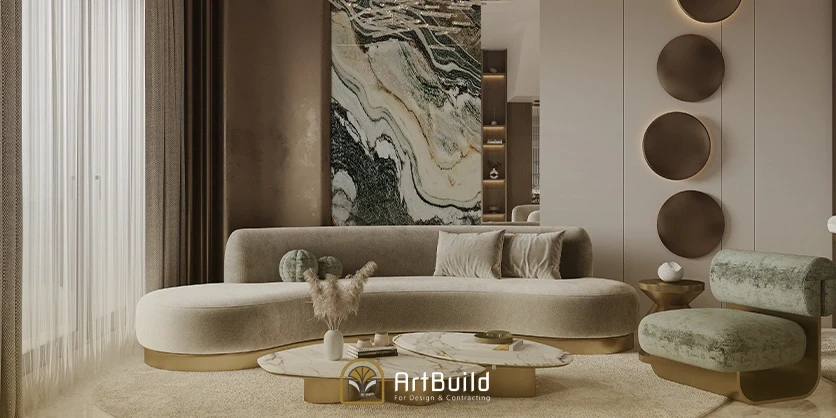
These include textured effects, sandy textures, velvet finishes, and marble-like plaster, typically applied to a single focal wall in reception halls or behind bed headboards rather than covering whole rooms. They demand skilled craftsmen, as tool or technique errors show immediately and cannot be easily spot-repaired.
How to Read Product Labels Before Purchasing
Examine the coverage rate per square meter, recommended number of coats, washability rating, and drying time between coats. Cheaper paint may require an extra coat, making its total cost equal to higher-quality paint without offering the same level of durability.
Different surfaces require specific surface prep before painting: gypsum board requires specialized joint compound and tape across board joints, while wood and metal doors require proper primers and wear-resistant coatings. Painting suspended ceilings with standard wall paint without verifying specifications is discouraged, as certain formulations reveal tool marks under indirect cove lighting. Furthermore, using matching brand sealers and topcoats minimizes layer incompatibility and provides clear technical support from manufacturers if defects arise.
Color Ideas and Wall Decor for Modern Apartment Painting
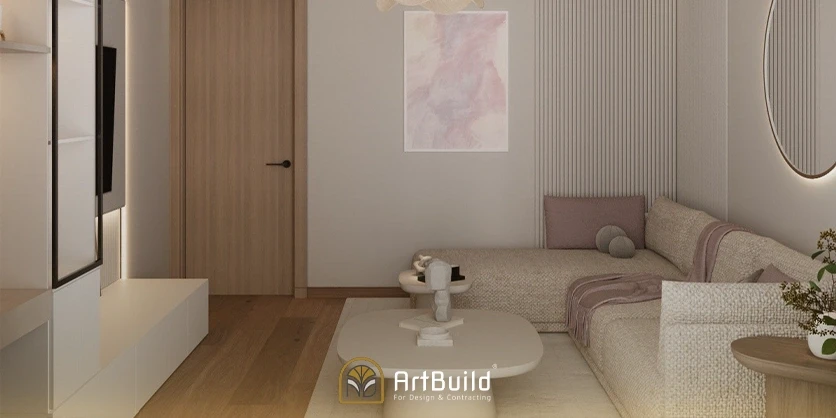
Current trends in Egyptian apartment design favor serene colors that reflect light and enhance space openness, such as off-white, sandy beige, light gray, and muted sage green. In modern painting projects, color selection remains tied to room area and natural lighting direction: north-facing rooms benefit from warm undertones to balance cool daylight, whereas sunlit rooms accommodate cooler shades without feeling dark.
Key popular design concepts include:
-
Accent Feature Walls: Painting one wall in a darker shade or decorative texture while keeping remaining walls neutral adds visual depth cost-effectively.
-
Two-Tone Wall Combinations: Dividing walls horizontally in kids' rooms or corridors ensures the lower section withstands scuffs and frequent cleaning.
-
Ceiling Color Selection: Using a lighter shade than wall colors enhances perceived ceiling height, or selecting a contrasting shade highlights cove lighting areas.
-
Harmonizing with Flooring and Furniture: Finalize paint choices after selecting floor finishes and furniture to prevent clashes between warm and cool tones.
-
Testing Samples on Walls: Sample small wall areas and observe them in morning and evening light, as screen colors and catalog swatches differ noticeably from actual wall applications.
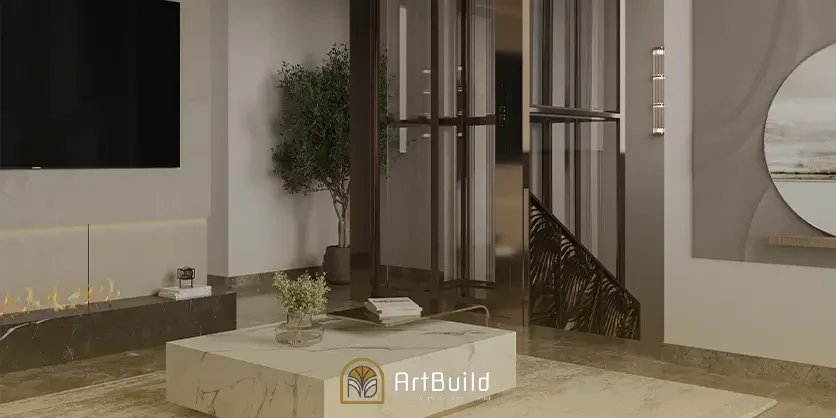
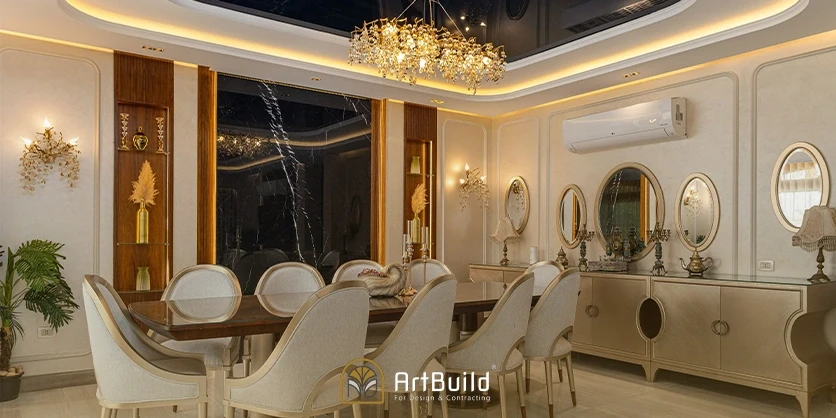
For a complete modern aesthetic, explore modern apartment finishing ideas that blend neutral color palettes, clean lines, and concealed accent lighting, fitting seamlessly into modern spaces. Conversely, classical style relies on wall paneling, moldings, and warmer tones, requiring higher craftsmanship. In both styles, maintaining visual cohesion across all rooms prevents spaces from feeling disjointed.
Surface texture also alters spatial feel: matte paint provides a smooth, subtle aesthetic, whereas glossy finishes reflect light to create openness while exposing wall defects. Reserving bold colors for low-occupancy areas like foyers or guest rooms while maintaining restful shades in bedrooms and living rooms is advisable. In high-ceiling apartments, applying darker shades overhead adds warmth; low ceilings look taller with crisp white paint extending upward.
How Much Does Apartment Painting Cost?
Painting costs depend on several factors beyond floor area alone: wall condition, required putty coats, paint specification, ceiling height, wall corners, and decorative finishes all influence the final total. Evaluating quotes solely by square-meter rates without reviewing included scope and material grades is inaccurate. You can benchmark general price levels via our comprehensive guide on finishing cost per meter in Egypt to understand where painting fits within full renovation budgets.
To manage expenses without sacrificing quality, focus on these key points:
-
Request Itemized Written Quotations: Verify coat counts for sealer, putty, and paint, brand specifications, and whether tools, site protection, and cleanup are included.
-
Evaluate Plastering Quality First: Smooth plaster reduces necessary putty coats, lowering expenses directly. Our article on costs for finishing a plastered apartment details line-item allocations from this stage onward.
-
Economize Strategically: Standard paint works fine for storage rooms, but never compromise on moisture resistance in kitchens and bathrooms or base preparation coats.
-
Limit Special Finishes: Restricting decorative plaster to a single accent wall in the reception delivers strong visual impact at a fraction of full-apartment specialty coating costs.
-
Compare Equivalent Bids: Obtain at least two matching proposals; price variations usually indicate differences in material specifications or coat counts rather than markup alone.
-
Schedule Final Topcoats Carefully: Postponing final painting until other trades finish minimizes touch-up expenses—a frequently overlooked budget line item.
An on-site inspection remains crucial; wall conditions differ even between identical layouts. Accurate pricing requires physical site assessment. Thus, professional painting becomes a calculated investment that enhances property value and reduces future maintenance expenses.
At Art Build, cost estimation begins with a detailed site visit to assess wall conditions and present clear proposals, ensuring homeowners know exactly how their budget is spent. This transparent approach prevents surprises during execution and allows specification adjustments before material purchase. Additionally, buying paint in single batches minimizes shade batch variations and secures bulk pricing advantages.
Common Painting Mistakes and How to Avoid Them
Certain errors recur across renovation projects, typically stemming from rushed timelines or misguided cost-cutting. Awareness of these common pitfalls prevents rework and extra costs:
-
Painting Over Damp Walls: Trapping moisture beneath paint film causes blistering and peeling. Always eliminate moisture sources and allow walls to dry fully before painting.
-
Skipping Sealer Primers: Omitting primer saves little upfront but causes uneven wall absorption and patchy sheen levels.
-
Insufficient Putty Coats or Poor Sanding: Rushing prep work leaves wavy walls that stand out under ambient and accent lighting.
-
Mixing Paint Batches Inconsistently: Slight color variations occur between production batches. Purchase adequate quantities together or blend cans prior to application.
-
Selecting Colors Solely from Photos: Colors shift dramatically under varying light conditions; test actual paint samples directly on target walls first.
-
Inadequate Site Protection: Covering floors, doors, windows, and electrical switches is essential to avoid stubborn paint splatters.
-
Neglecting Post-Handover Touch-up Paint: Retain small leftover paint quantities and color codes to repair future scuffs seamlessly without color mismatch.
These considerations are especially vital in compact spaces, where surface defects are magnified. Our article on small apartment finishing techniques explains how light color palettes and strategic lighting maximize visual space. Relying on an organized team adhering to systematic processes ensures superior long-term surface stability compared to uncoordinated labor.
Assigning a site supervisor to sign off on quality at each stage is highly recommended. Allowing full drying intervals between coats is equally vital; even if the surface feels dry, underlying moisture can induce blistering days later. Addressing minor flaws immediately upon inspection keeps correction costs low.
In conclusion, successful painting begins with thorough surface prep and ends with room-appropriate paint selection, guided by thoughtful color planning and lighting consideration. Quality painting represents one of the most cost-effective renovation investments relative to its impact on overall home ambiance. Understanding materials, stages, and color choices ensures confident project oversight. If you are ready to execute modern apartment painting with trusted materials and transparent processes, Art Build's team is here to support your project from initial inspection to final handover. Contact us through our website to discuss your apartment details today.
It typically takes 1 to 2 weeks, depending on wall conditions, coat counts, and team size. Timeline extends if walls require crack repairs, damp treatment, or intricate ceiling and wall decor features.
Yes, provided the existing paint is sound and not peeling. Clean the walls, perform light sanding, and apply a suitable sealer coat before painting. Flaking or peeling paint must be scraped off completely first.
It is best to wait a few days with good ventilation until the paint cures completely and odors dissipate. Moving furniture in prematurely risks wall scuffs and traps paint fumes indoors.