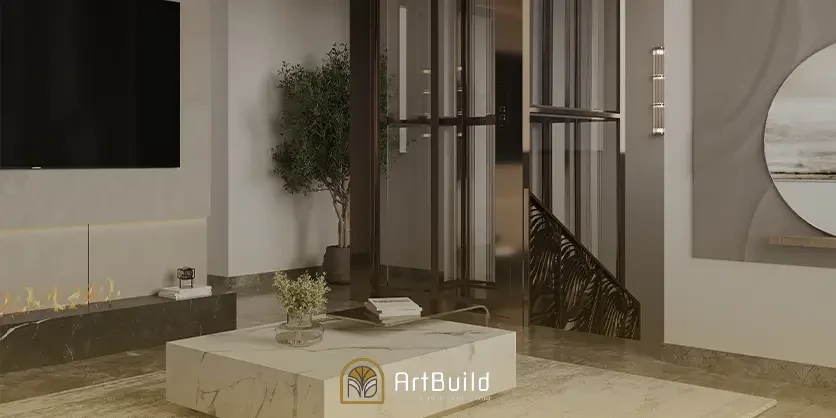
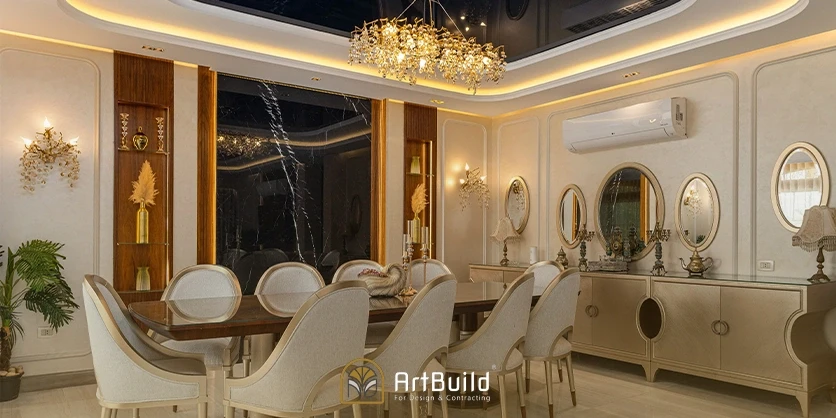
Deluxe Finishing

Deluxe finishing is an ideal choice for anyone seeking an elegant, practical property with high-quality materials and thoughtfully designed details—without necessarily incurring the cost of ultra-luxury finishes.
At Art Build, a project’s success begins with proper planning and a clearly defined scope of work, rather than simply purchasing the most expensive materials. The quality of the infrastructure and the precision of execution are what preserve a property’s appearance and value for years.
This guide explains the concept of deluxe finishing, how it differs from other finishing levels, the correct implementation stages, the factors affecting the budget, and how to evaluate a finishing company’s proposal before signing a contract.
There is no single, binding definition in the Egyptian market of what each finishing level includes. Two companies may use the same label while offering entirely different specifications. A commercial label should therefore be translated into a clear bill of quantities and specifications that identifies the material type, country of origin or quality category, dimensions, installation method, quantities, and acceptable alternatives.
This allows you to compare quotations on an equal basis and prevents disputes arising from vague phrases such as “premium materials” or “luxury finishing.”
What Is Deluxe Finishing?
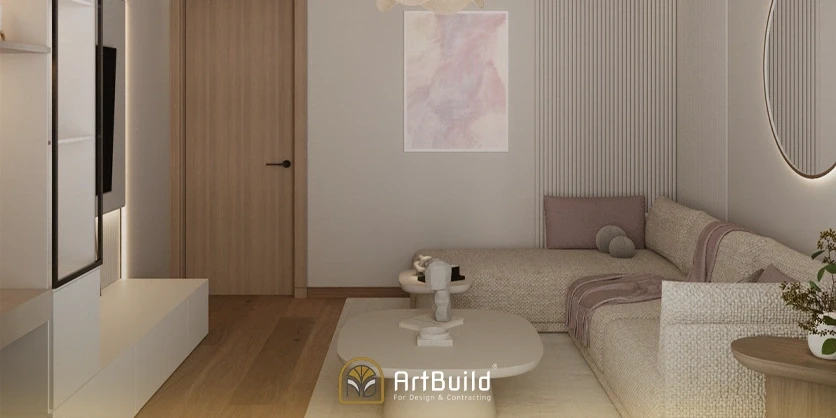
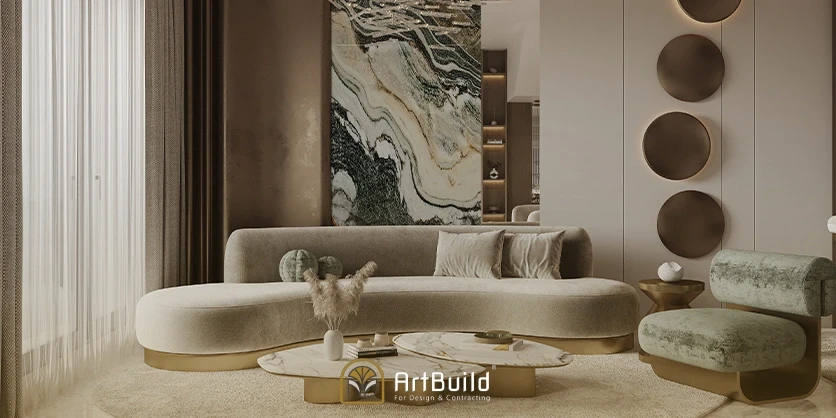
Deluxe finishing is an advanced level that combines high-quality infrastructure, harmonious interior design, durable materials, and careful attention to final details.
Luxury does not necessarily mean overcrowding ceilings with decorations or using marble throughout every space. Instead, it means selecting each element according to the room’s function and maintenance requirements.
Highly durable porcelain tiles, for example, may be more suitable than a more expensive material in a heavily used area. Likewise, carefully planned lighting may create a greater visual impact than decorative additions that serve no practical purpose.
Deluxe Finishing Specifications
Specifications generally include high-quality electrical and plumbing installations, even plasterwork, suitable waterproofing in wet areas, porcelain or engineered-wood flooring—or other quality alternatives—washable paint, precisely fitted doors and joinery, and simple ceilings designed to support the lighting and air-conditioning layout.
They also cover the coordination of colors and materials, storage solutions, and reliable sanitary and electrical accessories. Modern finishing categories help explain the general differences between the available styles and quality levels.
Key Elements of a Good Finishing Specification
-
Detailed drawings showing the distribution of furniture, electrical outlets, lighting, plumbing, and air conditioning.
-
Approved utility installations with diameters and capacities suited to the expected loads and actual use.
-
Waterproofing, pressure, and electrical tests before concealed work is covered.
-
Coordinated finishing materials that are easy to maintain and harmonious in color and texture.
-
Precise installation around corners, joints, doors, and appliances.
-
Engineering supervision and phased inspections before moving from one item of work to the next.
The Importance of Integrating Design and Execution
The real value of deluxe finishing comes from integrating design and execution. Even an excellent material may look poor when installed on an uneven surface, while a carefully selected mid-range material can produce an impressive result when installed correctly.
Samples should therefore be approved before purchasing, with color codes and model numbers properly recorded. Their suitability for the site conditions and the family’s needs must also be confirmed.
Details That Distinguish Deluxe Finishing
The quality of deluxe finishing can also be seen in details that may not be immediately noticeable, such as:
-
Easy access to water valves and electrical panels.
-
Maintenance access points for air-conditioning systems.
-
Protection for corners exposed to frequent contact.
-
Door-opening directions that do not obstruct movement.
-
Electrical outlets positioned according to the actual appliances.
-
Dedicated circuits for high-load appliances.
-
Lighting selected according to the function of each space.
-
Bathroom layouts that prevent water accumulation.
-
Tested balcony drainage.
-
Proper joints between different materials to allow for natural expansion.
The Difference Between Lux, Deluxe, and Super-Luxury Finishing
Finishing levels differ primarily in material quality, the extent of design detailing, the standard of fixtures, and the precision of execution. They are not fixed categories that can be applied identically to every project.
Lux finishing generally focuses on basic requirements, using practical mid-range materials and a simple design.
Deluxe finishing improves the quality of materials, coordination, and detailing while introducing carefully planned lighting and storage solutions, custom joinery, or ceiling features.
Super-luxury finishing usually involves more expensive selections, bespoke work, smart-home technologies, marble, natural wood, or imported fixtures, depending on the available budget.
How to Compare Finishing Levels Properly
When comparing finishing levels, do not ask only which one is better. Ask which specific items will actually change.
Differences in the type of electrical cables, water-supply pipes, and waterproofing may be more important than variations in the appearance of lighting fixtures. A low quotation may include limited items or insufficient quantities, resulting in substantial additional costs later.
Quotations should therefore be compared item by item. Whenever possible, labor and supply costs should be listed separately. The proposal should also clearly state whether transportation, wastage, testing, cleaning, and handover are included.
Who Is Deluxe Finishing Suitable For?
Deluxe finishing is generally suitable for owners who want:
-
A coordinated design and reliable materials without requiring luxury brands for every item.
-
Strong infrastructure that reduces future repairs and alterations.
-
Practical spaces suited to everyday use and easy cleaning.
-
Distinctive features in reception areas, kitchens, or bathrooms while keeping the overall budget under control.
-
Good value for personal use or resale instead of spending heavily on temporary visual features.
When Should You Choose a Higher or Lower Finishing Level?
A higher finishing level may be justified when the project requires custom manufacturing, involves large spaces, uses rare natural materials, or includes advanced control systems.
An economical level may be suitable for a rental property or a limited budget, provided that no compromises are made in infrastructure, waterproofing, or safety.
Although the price per square meter for luxury finishing can help explain the factors affecting higher finishing levels, the final decision should always be based on the project’s own schedule of specifications.
Combining Different Finishing Levels Within One Property
A single project can combine several finishing categories intelligently. A larger portion of the budget may be allocated to kitchens and bathrooms because they are heavily used and difficult to modify later, while simpler solutions can be chosen for bedrooms and corridors.
The infrastructure required for future technologies can also be installed initially, with smart devices added gradually.
This approach is better than raising the specification of every item without prioritization. It ensures that the budget is reflected in comfort and durability rather than visual features that may quickly lose their appeal or require frequent maintenance.
Stages of Deluxe Finishing
Implementation begins by taking measurements and inspecting the property’s condition, followed by preparing the design, working drawings, and bills of quantities.
Furniture, appliances, and the kitchen layout should be finalized before positioning electrical and plumbing points, as making changes after the initial installations causes demolition and waste.
Unnecessary work is then removed and partitions are constructed, followed by the installation of electrical, plumbing, air-conditioning, internet, and smart-home systems.
Utility routes should be photographed before they are covered to create a record for future maintenance.
Waterproofing, Plastering, and Flooring
Once pressure, leakage, and electrical-load tests have been completed successfully, waterproofing work begins in bathrooms, kitchens, and other areas exposed to water. The waterproofing must be tested before the flooring is installed.
Plastering and surface leveling then take place, together with the installation of door frames, other required preparations, and any suspended ceilings.
Floors and wall finishes are installed afterward, with careful attention to levels, slopes, and joints, particularly around drainage points and transitions between different materials.
The Correct Finishing Sequence
-
Site inspection, design, and approval of materials and samples.
-
Demolition, construction, and adjustment of openings according to the drawings.
-
Installation of electrical, plumbing, air-conditioning, and communication systems.
-
Testing of utilities and waterproofing, and documentation of concealed work.
-
Plastering, ceilings, flooring, and preparation of walls for painting.
-
Joinery, aluminum work, and installation of marble or engineered surfaces.
-
Final painting, lighting, sanitary fixtures, switches, and sockets.
-
Testing, cleaning, preparation of a snagging list, and final handover.
Final Finishing and Quality Inspection
During the final stage, paint colors should be reviewed under the actual lighting conditions. Doors and hinges should be adjusted, while electrical outlets, circuit breakers, water pressure, drainage, and air conditioning must be tested.
Tile alignment, silicone work, joints, scratches, and color variations should also be inspected.
Ideas for material and lighting layouts may be drawn from modern apartment-finishing examples, but they should always be adapted to the property’s size and its occupants’ lifestyle.
The Importance of Phased Inspections
The success of deluxe finishing depends on phased inspections. No pipe, connection, or waterproofing layer should be covered before it has been tested and approved.
Any modification must also be recorded in the drawings, cost schedule, and project timeline rather than being left to a verbal agreement that could create confusion later.
Final Handover and Snagging List
It is useful to prepare a final handover file containing:
-
As-built drawings.
-
Warranties for appliances and materials.
-
Invoices for key models and products.
-
Paint codes.
-
Photographs of concealed installations.
Every point requiring correction should be recorded in a snagging list with a clear deadline, followed by another inspection before the final payment.
Water heaters, pumps, and air-conditioning units should be operated, all switches and outlets tested, and water opened at several points simultaneously to check pressure and drainage.
This turns the handover from a visual inspection into a practical test of the property’s readiness.
The Cost of Deluxe Finishing
An accurate cost cannot be calculated from the property’s area alone. The price per square meter may be calculated differently by each company.
One company may include infrastructure and complete finishing, while another may cover only labor or selected items.
The budget is affected by:
-
The property’s condition at handover.
-
The project’s location and area.
-
The number of bathrooms.
-
The complexity of the design.
-
Material brands.
-
The volume of bespoke work.
-
Fluctuations in material and transportation prices.
A detailed quantity survey is therefore more accurate than simply multiplying the area by a general rate.
How to Prepare an Accurate Finishing Budget
A sound budget begins by dividing the project into categories:
-
Civil works.
-
Electrical work.
-
Plumbing.
-
Waterproofing.
-
Plastering.
-
Flooring.
-
Painting.
-
Ceilings.
-
Joinery.
-
Aluminum work.
-
Sanitary fixtures.
-
Lighting.
-
Kitchen.
-
Air conditioning.
Each category should state the quantity, unit, supply price, labor cost, and total.
This approach identifies the highest-cost items and makes it easier to choose alternatives that deliver the desired appearance without compromising quality. An apartment-finishing cost calculation can further help organize the budget.
Additional Expenses to Consider
Some expenses are often overlooked, including:
-
Transporting and lifting materials.
-
Material wastage.
-
Debris removal.
-
Administration fees in certain residential compounds.
-
Approval samples.
-
Small accessories.
-
Final cleaning.
A financial contingency should also be allocated for essential changes or conditions that were not visible during the initial inspection.
This reserve should not be used for adding nonessential features prematurely. Its purpose is to protect cash flow until the project is completed.
How to Reduce Finishing Costs Without Compromising Quality
-
Finalize the design and measurements before purchasing materials or starting implementation.
-
Invest in infrastructure, waterproofing, and reliable water and electrical components.
-
Use a standout material in a selected area instead of applying it throughout the property.
-
Purchase quantities according to an accurate survey, including an appropriate wastage allowance for each material.
-
Compare service life and ease of maintenance, not only the purchase price.
-
Review finishing prices per square meter in Egypt to understand market variables, then request a quotation tailored to your project.
How to Price Deluxe Finishing
When pricing deluxe finishing, the proposal’s validity period, payment schedule linked to completion milestones, and process for approving additional work must be clearly defined.
A professional quotation should not merely present an attractive total. It should explain responsibilities, exclusions, warranties, and handover conditions.
How to Choose the Right Finishing Company
Begin by reviewing completed projects that are similar to your property in type and size, and do not rely on photographs alone.
If possible, request a visit to an active or completed project. Examine the precision of corners, joints, paintwork, and doors, and ask how changes and deadlines are managed.
A professional company provides drawings, quantity surveys, and a detailed proposal. It also identifies the supervision team and the person directly responsible for the site, while linking payments to measurable milestones.
What Should Be Included in the Finishing Contract?
The contract should include:
-
The scope of work.
-
Specifications and quantities.
-
The implementation period.
-
The payment schedule.
-
Responsibility for purchasing and storing materials.
-
The mechanism for handling price changes.
-
Penalties or procedures for delays.
-
The warranty period.
-
The method for handing over documents and keys.
The drawings, financial proposal, and approved samples should be attached to the contract. These documents prevent differing interpretations of the agreement and protect both parties.
Questions to Ask Before Signing the Contract
-
Who will verify the drawings against actual site conditions before implementation?
-
How will waterproofing, plumbing, and electrical systems be tested, and how will the results be documented?
-
Does the quotation include labor, materials, transportation, and wastage?
-
What is the process for proposing and approving an alternative if a specified material is unavailable?
-
How frequently will the engineer visit the site, and how will progress reports be delivered?
-
Which items are covered by the warranty, and what is the process for resolving outstanding issues?
Why Choose Art Build for Deluxe Finishing?
Art Build manages the full project cycle, from planning and design through implementation and final detailing. This helps align design decisions with on-site realities.
In deluxe finishing projects, having a single party responsible for coordination reduces conflicts between plumbers, electricians, ceiling installers, and carpenters, while preserving the correct sequence of work and maintaining control over the budget.
Do not make the lowest price your deciding factor. An incomplete quotation may conceal omitted items that later appear as additional costs.
Compare demonstrated quality, document clarity, team experience, commitment to deadlines, and ease of communication throughout the project.
A well-informed decision today can prevent costly repairs and provide a more attractive, comfortable property over the long term.
Deluxe finishing achieves a strong balance between elegance, durability, and cost when its specifications are clearly defined and the work is completed under professional supervision.
Success begins with a plan suited to the occupants’ lifestyle, followed by reliable infrastructure and testing, materials selected according to actual use, and documented phased inspections.
Relying on the label alone—or repeatedly changing decisions during implementation—can increase the budget and undermine the final result, regardless of the quality of the materials.
Art Build offers integrated design and implementation expertise to transform each client’s needs into a practical space with a distinct identity.
If you are preparing to finish your apartment or villa, begin by identifying your priorities, setting your budget, and preparing an accurate plan. Every carefully considered early decision brings you one step closer to a result that reflects your taste.
Request a site inspection and a detailed quotation, and make measurable quality the basis of your selection.
Final Tips Before Starting Your Project
Before the project begins, agree on:
-
The format of periodic reports.
-
The schedule of site visits.
-
Responsibility for approving samples and modifications.
Keep copies of the contract, drawings, and quantity survey, and do not pay for any stage before it has been technically inspected and accepted.
Long-lead purchases should also be arranged early so that the schedule is not delayed by a custom door, lighting fixture, or unavailable material.
Clear planning protects the budget and gives the implementation team consistent decisions to follow.